Devops Training in Gurgaon Overview

The DevOps course in Gurgaon by Gyansetu has only one aim – to make you a professional DevOps Engineer, not someone who simply watched videos of DevOps. DevOps stands for the practice of combining software development and information technology operations in one continuous process, which covers development, testing, delivery, and monitoring of your project in one stream. 

Here’s what that means in practice. During 6 months, you will go through the technologies used by DevOps teams in Gurgaon everyday, such as Git, Jenkins, Docker, Kubernetes, Ansible and Terraform. 

Beginners usually face one of two extremes – theoretical bootcamps and self-study without any system. Our DevOps course is a perfect choice if you don’t want to study theory and be ready for interviews right after the classes.

During six months, you will receive a structured curriculum from Linux basics to full deployment of CI/CD pipelines using five different projects.

At the end of this course, you will be able to deploy real world projects, including microservices CI/CD pipeline, which can become the basis of your portfolio.

Why Choose Gyansetu for DevOps Training in Gurgaon?

Docker command is taught by many training institutes. Not many will train you to think like a DevOps Engineer. And here’s how this course differentiates itself from the rest – and why you should spend your six months with us.

  1. Complete Toolkit: You’ll be trained on Git, Jenkins, Docker, Kubernetes, Ansible, Terraform, Prometheus, and Grafana – tools covering the entire DevOps Lifecycle instead of two/three popular tools used in other courses.
  2. Real-world Projects: Our projects will be replicating real-life scenarios – CI/CD pipeline development for microservices, Infrastructure-as-Code in AWS each based on actual hiring requirements.
  3. Structured Roadmap: You start from Linux Basics and end up developing CI/CD Pipelines. No prior knowledge of DevOps required – nor skipped lessons.
  4. AI-Assisted Workflow: The course involves AI-driven scripting and pipeline optimization techniques – a concept not yet covered in any Gurgaon DevOps course.
  5. Small Batch Size: No large lecture hall. Your trainer knows your name, your performance level, and where you face difficulty.
  6. NASSCOM accredited certification: Your certification is not just any random PDF certificate – it is accredited by an industry body and is approved under India’s MSME policy.
  7. Career Specialization Tracks: You can specialize yourself as a Cloud DevOps Engineer, Kubernetes Engineer, or CI/CD Specialist eventually – not just a general DevOps.
  8. Expert Mentors: The mentor is a professional in the DevOps and cloud field, and not the one who teaches out of slides.
  9. 100% Placement Support: From resume building to optimizing your Naukri profile, preparing for mock interviews – and if you are not job-ready at the end, you take the course again for free.
  10. Real Hiring Outcomes: Gyansetu alumni have taken jobs at companies like Amazon, Microsoft, IBM, KPMG, Google, and Accenture.

Devops training in gurgaon

Key Highlights of DevOps Course

100% Placement Support
Free Course Repeat Till You Get Job
Mock Interview Sessions
1:1 Doubt Clearing Sessions
Flexible Schedules
Real-time Industry Projects

Placement Stats

stats
Maximum salary hike
100%
Average salary hike
45%

Our Alumni in Top Companies

DevOps Course Placement Highlights

Kuldeep Sharma
65 % Hike
Operations Manager
Smart Value
Team Manager
iKEDA
Indu Bala
100 % Hike
M.Sc.
Fresher
Senior Associate
Paytail

Batches Timing for DevOps Certification in Gurgaon

Track Weekdays (Tue-Fri) Weekends (Sat-Sun) Fast Track
Course Duration 6 Months 9 Months 60 Days
Hours Per Day 1-2 Hours 2-3 Hours 5 Hours
Training Mode Classroom/Online Classroom/Online Classroom/Online

DevOps Certification in Gurgaon

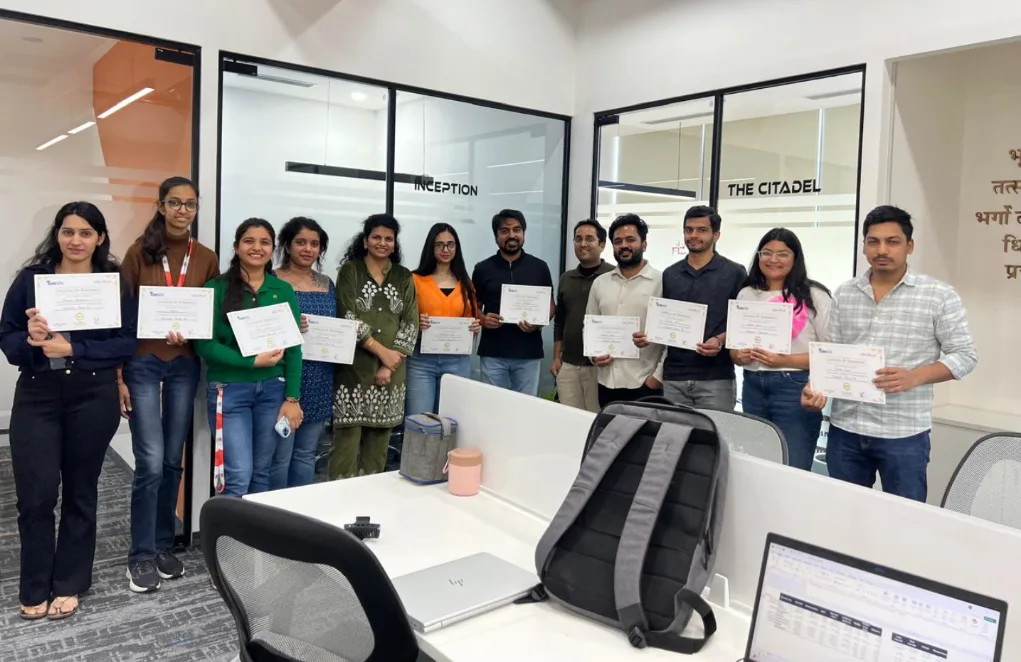
Gyansetu is a certified training partner of NASSCOM and recognized under the Indian MSME framework. The DevOps certification you receive is backed by this accreditation, not any ordinary certificate of completion, but an industry body-backed certification.

It is awarded to you once you have completed the entire six month program along with all the capstone projects. Here is what makes the certificate unique: 

  • Industry – recognized accreditation: NASSCOM-backed and MSME-approved, not just a generic certificate of completion.
  • Verifiable Certificate: It can be verified by the employer from the certificate verification portal of Gyansetu.
  • Proof of work: Earned only after completion of real – world projects, which implies practical experience not just attendance.
devops course certification

DevOps Course Curriculum

Gyansetu’s DevOps institute in Gurgaon will drive you to become a DevOps Engineer by adopting best practices like Continuous Development, Configuration Management, Continuous Integration, and Continuous Monitoring of the application throughout the SDLC.

Module 1: Linux Administration
  • Linux Installation and Distributions
  • Understanding the Linux File System Hierarchy
  • Essential Linux Commands
  • File & Directory Permissions
  • Sudo Privileges & Security
  • Shell Scripting (Bash)
  • User and Group Management
  • Process & Package Management
  • Log Management
  • Networking Basics
  • Scheduling with Cron Jobs
  • Disk & Storage Management
Module 2: Git & GitHub
  • Overview of Version Control Systems
  • Installing and Configuring Git
  • Git Branching and Merging Strategies
  • Handling Merge Conflicts
  • Stashing, Rebasing, and Resetting
  • Pull Requests and Code Review Workflows
  • GitHub Collaboration and Team Workflows
  • Tags and Releases
Module 3: CI/CD
  • Continuous Integration and Continuous
    Delivery Concepts
  • Jenkins Architecture, Installation, and Plugin
    Management
  • Building Declarative & Scripted Jenkins
    Pipelines
  • Introduction to GitHub Actions and Workflow
    Files
  • Automated Build, Test and Deployment
    Pipelines
  • Integrating Jenkins/GitHub Actions with Git
    and Docker
  • Managing Build Artifacts
  • Pipeline Security & Credentials Management
  • Parallel & Multi-Stage Pipelines
  • Pipeline Troubleshooting
  • Overview of Containerization and Namespaces
  • Docker Architecture
  • Writing Dockerfiles and Understanding
    Instructions
  • Multi-Stage Builds
  • Docker Compose for Multi-Container
    Applications
  • Docker Volumes and Persistent Storage
  • Docker Networks and Port Binding
  • Docker Registry
  • Image Optimization & Security
  • Docker Logging & Debugging
  • Container Orchestration Preview
  • Kubernetes Architecture and Core
    Components
  • Understanding Pods and Multi-Container Pods
  • Deployments and Rolling Updates
  • ReplicaSets and Replication Controllers
  • Services
  • ConfigMaps and Secrets Management
  • Ingress Controllers and Traffic Routing
  • Persistent Volumes and Persistent Volume
    Claims
  • Namespaces and Resource Quotas
  • Packaging Applications with Helm Charts
  • Horizontal Pod Autoscaling
  • kubectl in Depth
  • Cloud Computing Concepts and Global
    Infrastructure
  • Compute
  • Storage Services
  • Identity and Access Management (IAM)
  • Application & Network Load Balancers
  • VPC, Subnets and Networking Fundamentals
  • Auto Scaling for High Availability
  • Cost Management & Billing Basics
  • Introduction to Terraform and IaC Concepts
  • Terraform Providers, Resources, and
    Configuration
  • Working with Variables and Output Values
  • Building Reusable Terraform Modules
  • Managing Remote State (S3/Azure Backend)
  • State Locking & Collaboration
  • Terraform Plan, Apply and Destroy Workflow
  • Introduction to Ansible and Agentless
    Automation
  • Understanding Infrastructure as Code with
    Ansible
  • Managing Inventory
  • Writing and Executing Ansible Playbooks
  • Building Reusable Ansible Roles
  • Ansible Vault
  • Introduction to Monitoring and Observability
  • Setting up Prometheus for Metrics Collection
  • Visualizing Dashboards with Grafana
  • Log Aggregation and Analysis with Loki
  • Configuring Alerting Rules and Notifications
  • Monitoring Kubernetes Workloads
  • Shifting Security Left in the DevOps Lifecycle
  • Code Quality Scanning with SonarQube
  • Container Image Scanning with Trivy
  • Secrets Management Fundamentals and Best
    Practices
  • Security in CI/CD Pipelines
  • Static Application Security Testing (SAST)
    Overview
  • Dependency & License Scanning
  • Container Runtime Security Basics
  • Compliance & Audit Logging

Industry Ready DevOps Projects

icon
Designed by Industry Experts
icon
Get Real-World Experience
Automated CI/CD Pipeline for Microservices Deployment
  • Business Problem: Manually deploying changes to several microservices is tedious, prone to mistakes, and causes delays in releasing features and missing deadlines.
  • Overview: Create an automated CI/CD process that is triggered every time there is a commit made in Git, performs unit testing, builds a docker image, uploads it to a repository, and automatically deploys to Kubernetes.
  • Tech Stack: Git, Jenkins, Docker, Kubernetes, Maven, Nexus/Artifactory
Infrastructure as Code for Cloud Environment Management
  • Business Problem: Manually provisioning cloud servers takes time and does not provide consistency across all environments and no version control, which causes configuration drift.
  • Overview: Automated provisioning of cloud infrastructure using Terraform configuration files, followed by configuration and management of software using Ansible. The entire infrastructure will become reproducible, scalable, and fully versioned using Git.
  • Tech Stack: Terraform, Ansible, AWS/Azure, Git
Real-Time Application Monitoring and Alerting System
  • Business Problem: Often, teams find out about any downtime or performance issues in applications when a customer complains about it, which leads to low application availability.
  • Overview: Create a monitoring stack that will gather real-time metrics from applications running in containers, visualize them on dashboards in real time and set alerts when certain threshold levels (CPU usage, memory usage, response time) are crossed.
  • Tech Stack: Prometheus, Grafana, Docker, Kubernetes
clock-icon
400+
Hours of content
video
100+
Live sessions
hammer
9+
Tools and software

DevOps Skills you can add in your CV

DevOps Tools Covered

What Sets This Program Apart?

GyanSetu
Other Courses
all-in-one Complete Toolkit

✔ Git, GitHub
✔ Linux
✔ Jenkins CI/CD
✔ Docker
✔ Kubernetes
✔ Ansible
✔ Terraform
✔ Prometheus & Grafana

✘ Limited tool exposure
✘ Only Git & Docker basics
✘ No monitoring or IaC tools

progress-icon Beginner to Pro Roadmap

✔ Starts from Linux fundamentals
✔ Structured DevOps lifecycle roadmap
✔ Step-by-step CI/CD implementation

✘ No structured flow
✘ Assumes prior DevOps knowledge

empowered AI-Powered Learning

✔ AI assistance for automation scripting & pipeline optimization

✘ No AI integration in DevOps workflow

focused Career Specialization

✔ Cloud DevOps Engineer track
✔ Kubernetes Engineer path
✔ CI/CD Specialist skills

✘ Generic DevOps overview only

exposure Real Industry Projects

✔ Build real CI/CD pipelines
✔ Infrastructure as Code deployment
✔ Containerized app deployment

✘ Only small demo projects

mentorship Industry Mentors

✔ Guidance from working DevOps & Cloud professionals

✘ Trainers with limited real-world exposure

expertise Practical Learning

✔ 70–80% hands-on labs
✔ Real production-like environments

✘ Theory-heavy learning

practice Career Support

✔ Resume building
✔ Mock interviews
✔ Placement assistance

✘ No structured job support

course in gurgaon
Who is this course for?
  • Software Developers
  • IT Operations Staff
  • System Administrators
  • Project Managers
  • Quality Assurance Engineers
  • Cloud Engineers

Career Assistance for DevOps Course in Gurgaon

briefcase
Job Opportunities Guaranteed

Get a 100% Guaranteed Interview Opportunities Post Completion of the training.

lock
Access to Job Application & Alumni Network

Get chance to connect with Hiring partners from top startups and product-based companies.

Mock Interview Session

Get One-On-One Mock Interview Session with our Experts. They will provide continuous feedback and improvement plan until you get a job in industry.

Live Interactive Sessions

Live interactive sessions with industry experts to gain knowledge on the skills expected by companies. Solve practice sheets on interview questions to help crack interviews.

lock
Career Oriented Sessions

Personalized career focused sessions to guide on current interview trends, personality development, soft skill and HR related questions.

briefcase
Resume & Naukri Profile Building

Get help in creating resume & Naukri Profile from our placement team and learn how to grab attention of HR’s for shortlisting your profile.

Top Companies Hiring for DevOps Role

Honours & Awards Recognition

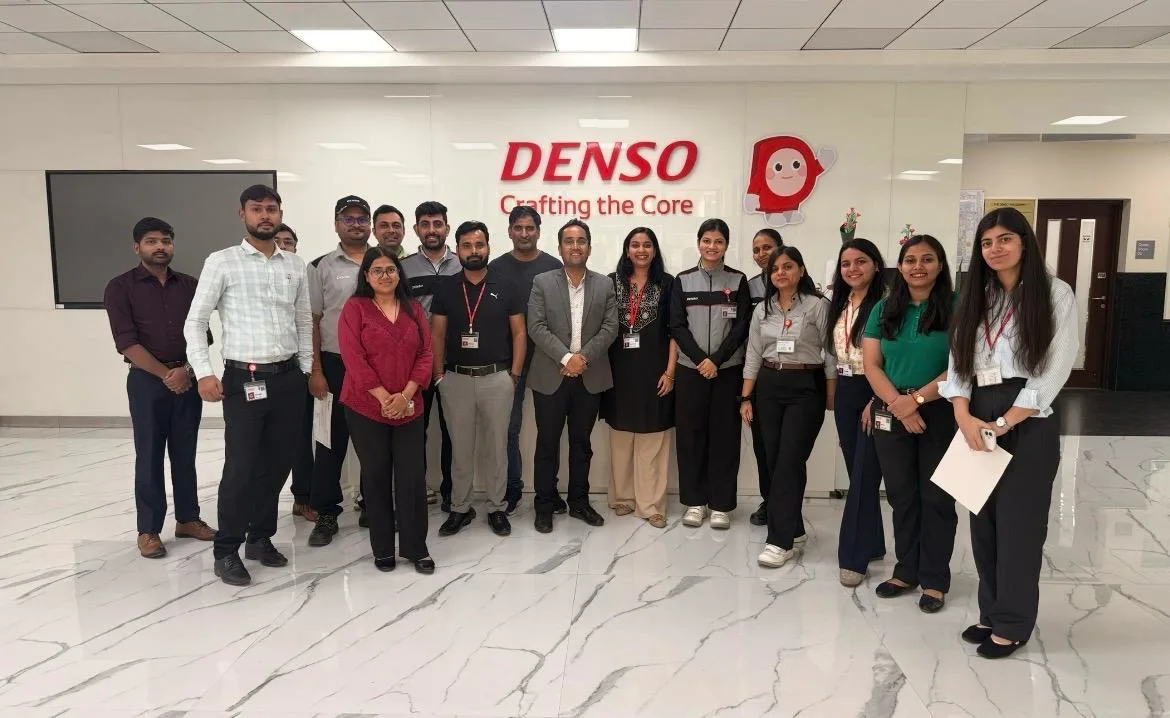
Denso International
Denso International
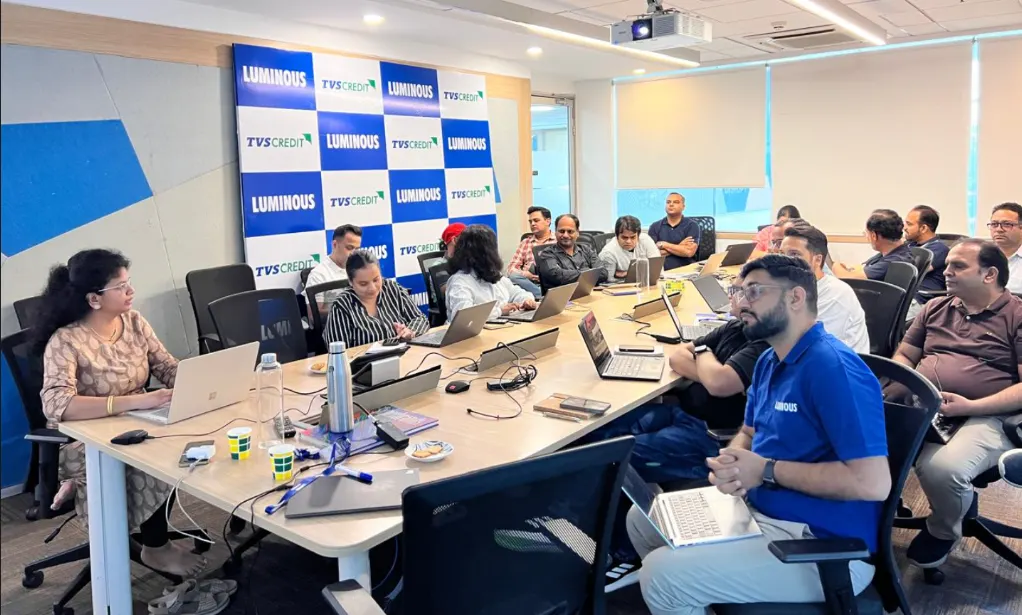
Luminous
Luminous
Bharat Petroleum
Bharat Petroleum
Toshiba Midea
Toshiba Midea
BryAir
BryAir
Awarded by GD Goenka University
GD Goenka University
Gyansetu conducted Power BI training for Livpure employees
Livpure
Gyansetu conducted Advanced Excel training for Denso International Employees
Denso International
Gyansetu conducted Full Stack Development training for ReverseLogix employees
ReverseLogix
Gyansetu conducted Advanced Java training for BML Munjal University students
BML Munjal University
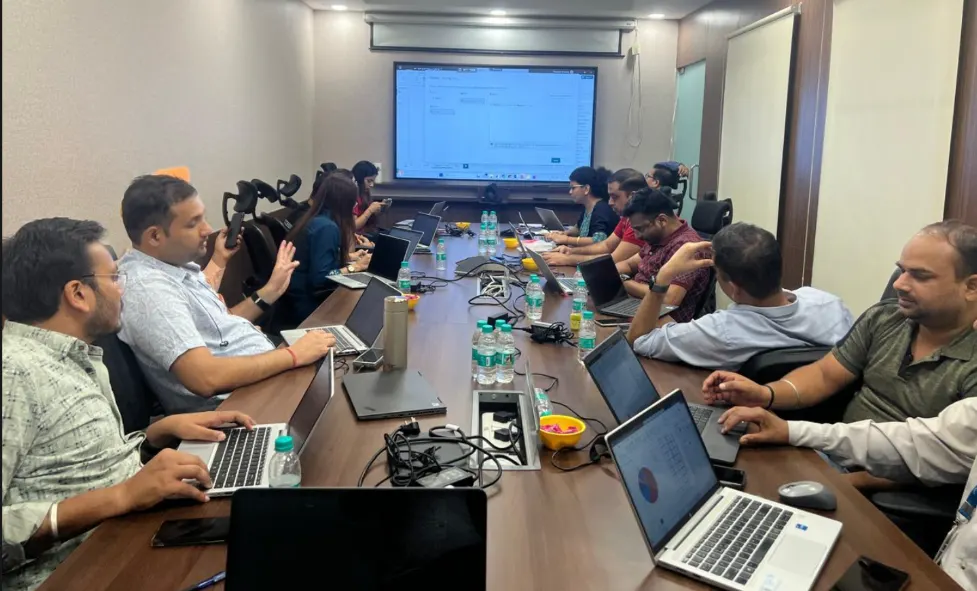
Delivering Training To Wedapt
Gyansetu conducted workshop on Cloud Computing and Data Analytics for Manav Rachna University students
Manav Rachna University
Gyansetu conducted Java workshop for GLA University students
GLA University
Gyansetu conducted Data Analytics Workshop for DPGITM students
DPGITM
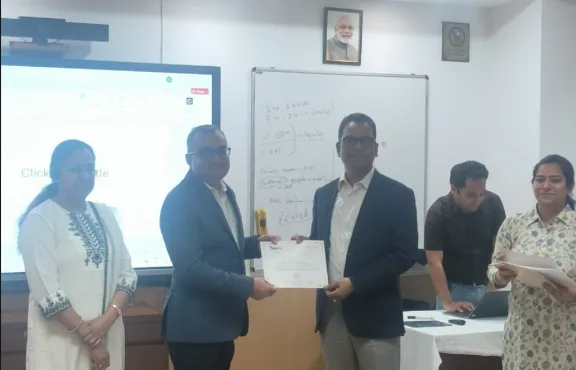
Certificate Issued to Gyansetu by GD Goenka University
GD Goenka University

FOR QUERIES, FEEDBACK OR ASSISTANCE

Contact Gyansetu Learner Support

Our Learners Testimonials

Aniket Singh
Thank you Gyansetu for making my dreams come true. Your exceptional teaching and support have been invaluable. Grateful beyond words.
Sanjav Garg
I can’t express how grateful I am for the immense support & guidance from Gyansetu. Amazing teachings and mentorship have been a game-changer.
Rajiv Kumar
I owe my success to Gyansetu! Their outstanding teaching approach helped me land a great job. Grateful beyond words for their exceptional support & guidance!
self assessment
Self Assessment Test

Learn, Grow & Test your skill with Online Assessment Exam to achieve your Certification Goals.

Frequently Asked Questions

Do I need coding experience to join this DevOps course in Gurgaon?

Prior coding knowledge is not needed at all. It is always better to know basic Linux commands before enrolling but even that is not mandatory as the training starts right from scratch. Most candidates from Gurgaon batches of Gyansetu have no prior coding experience whatsoever.

What's the difference between DevOps and Cloud Computing?

DevOps is a set of processes for software automation and cloud computing is the infrastructure for executing such operations. There could be on-premises implementation of DevOps as well as in the cloud and in this DevOps training, we cover both. In the Infrastructure-as-Code project, AWS is used.

Which tools will I actually use during the course, not just hear about?

The training includes hands-on practice in the following tools: Git, Jenkins, Docker, Kubernetes, Ansible, Terraform, Prometheus & Grafana – 8 tools in total including version control, CI/CD, containers, orchestration, config management, & monitoring. Every single tool is a part of an actual project.

It is much easier to learn Docker than Kubernetes since Kubernetes uses Docker ideas. This is why the sequence in which both are taught in the curriculum is that way. Docker is taught first followed by orchestration of containers through Kubernetes. Without understanding Docker, it becomes quite difficult to understand Kubernetes.

You will receive a DevOps certification accredited by NASSCOM, which comes under India’s MSME program. This is not some completion certificate in PDF form. This certificate is awarded after completing all the five capstone projects in the course.

Students who complete the course usually try to get into DevOps Engineer, SRE, Cloud Engineer or Automation Engineer positions. The specialization careers in this course – Cloud DevOps, Kubernetes Engineer and CI/CD specialist are related to these positions.

Yes – Gyansetu offers internships explicitly to make sure those coming from a non-IT background have the industry experience required by recruiters. This is followed by making your resume based on the experience.

Free tutorials only teach you about individual commands, whereas this program teaches you a whole sequential pipeline. You get to finish the course with 5 capstone projects in your resume.

All sessions are video recorded, and you get 1:1 doubt resolution sessions with your mentor. You even get the chance to rejoin the course again for free if you are still not job ready.

A regular laptop with 8 GB RAM is enough for all kinds of labs. Both Docker and Kubernetes have lightweight environments for training.

frequently asked questions by students for courses
Drop us a Query
+91-9999201478

Available 24x7 for your queries

Please enable JavaScript in your browser to complete this form.
Categories